
Introduction: Navigating Iran's Transport Network
Iran boasts one of the most comprehensive and affordable transportation networks in the Middle East, making independent travel remarkably accessible for visitors. From modern domestic flights connecting major cities to extensive rail and bus networks reaching even remote regions, Iran's infrastructure supports seamless travel experiences.
This complete guide covers every aspect of Iran's transportation system in 2025, including practical booking tips, payment methods despite sanctions, safety considerations, and insider strategies for maximizing efficiency and comfort during your journey.
Whether you're planning a whirlwind tour of Iran's highlights or a slow-paced exploration of its diverse regions, understanding the transportation options available will significantly enhance your travel experience and help you make the most of your time in this fascinating country.
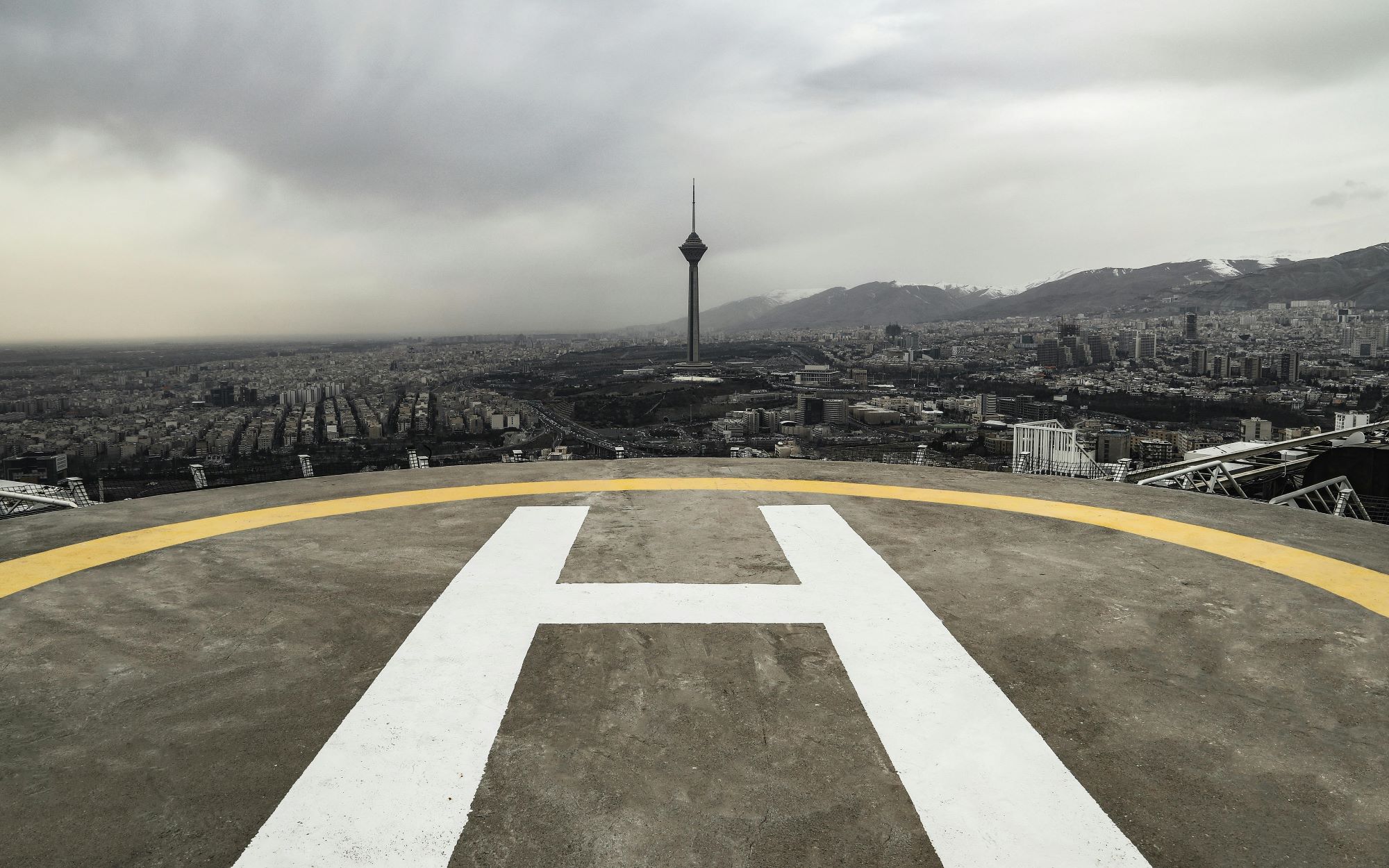
Iran's modern transportation network makes exploring the country efficient and comfortable
Travel Insight: According to 2024 tourism data, 78% of international visitors found Iran's transportation system more modern and efficient than expected, with domestic flights and trains receiving particularly high satisfaction ratings.
Domestic Flights: Air Travel Within Iran
Domestic flights are the fastest way to cover Iran's vast distances, with frequent services connecting major cities and tourist destinations.
Major Domestic Airlines
Iran has several reliable domestic carriers:
- Iran Air: National carrier with comprehensive domestic network
- Mahan Air: Largest private airline with extensive route map
- Iran Air Tour: Subsidiary focusing on tourist destinations
- Kish Air: Services major cities and Persian Gulf islands
- Qeshm Air: Connects mainland with islands and major cities
- Ata Air: Growing carrier with competitive pricing
Popular Domestic Routes
Key connections for tourists include:
- Tehran to Shiraz: Multiple daily flights (90 minutes)
- Tehran to Isfahan: Frequent services (60 minutes)
- Shiraz to Yazd: Direct flights available (60 minutes)
- Tehran to Tabriz: Regular connections (75 minutes)
- Shiraz to Mashhad: Direct flights (2 hours)
- Tehran to Kish Island: Multiple daily flights (90 minutes)
Booking and Payment Considerations
Navigating flight reservations under sanctions:
- Cash payments: Most domestic tickets purchased with cash at offices or airports
- Local websites: Iranian booking platforms require local payment methods
- Travel agencies: Many can book and pay for flights on your behalf
- Price range: Typically $30-80 for one-way domestic flights
- Advance booking: Recommended during peak seasons (Nowruz, summer)
Despite sanctions-related challenges with aircraft maintenance, Iran's domestic aviation maintains good safety records with newer aircraft typically deployed on busier routes.
Train Travel: Iran's Railway System
Iran's railway network offers comfortable, scenic, and affordable travel between major cities, with modern trains and excellent service.
Main Train Routes for Travelers
Key railway connections ideal for tourists:
- Tehran-Shiraz: Overnight service with sleeping compartments (12 hours)
- Tehran-Isfahan: Day and night services (7 hours)
- Tehran-Yazd: Comfortable overnight trains (8 hours)
- Tehran-Mashhad: Multiple daily services including high-speed (8-12 hours)
- Tehran-Tabriz: Scenic route through mountains (13 hours)
- Tehran-Bandar Abbas: Long-distance service to Persian Gulf (16 hours)
Train Classes and Accommodations
Understanding Iranian train classifications:
- 6-bed compartments: Most economical, mixed gender
- 4-bed compartments: More comfortable, can be gender-segregated
- 2-bed compartments: Most comfortable, often gender-segregated
- Salon car: Open seating for day trains
- High-speed trains: Business and economy classes on select routes
Booking Train Tickets
Practical tips for securing train travel:
- Advance purchase: Essential for popular routes and dates
- Railway stations: Purchase directly at station ticket offices
- Travel agencies: Can book and pay for tickets on your behalf
- Online booking: Limited options for foreigners due to payment restrictions
- Price range: $10-40 depending on class and distance
- Food service: Most overnight trains include dinner and breakfast
Travel Tip: The overnight train from Tehran to Shiraz is particularly recommended. You save on accommodation costs and wake up to stunning mountain scenery as you approach Shiraz in the morning.
Bus Network: Intercity Coach Services
Iran's extensive bus network provides the most economical transportation option, reaching virtually every city and town in the country.
Bus Service Classes
Understanding the different levels of bus comfort:
- Mahmooly (Ordinary): Basic service with minimal amenities
- VIP: Comfortable seats, air conditioning, snacks
- Super VIP: Larger seats, more legroom, premium service
- First Class: Luxury buses with business-class style seating
Major Bus Terminals
Key transportation hubs in major cities:
- Tehran: Multiple terminals serving different directions
- Shiraz: Karandish Bus Terminal for most destinations
- Isfahan: Kaveh Bus Terminal serving national routes
- Yazd: Central bus terminal conveniently located
- Tabriz: Large terminal with comprehensive services
- Mashhad: Major hub for eastern and northeastern routes
Practical Bus Travel Tips
Making the most of Iran's bus system:
- Spontaneous travel: Buses frequently depart, often without need for advance booking
- Baggage handling: Luggage stored in compartments below, small carry-on allowed
- Rest stops: Longer journeys include scheduled breaks for meals
- Gender seating: Mixed seating common; women often seated together when possible
- Price range: $5-20 depending on distance and class
- Comfort items: Bring water, snacks, and entertainment for longer journeys

Iran's VIP buses offer surprising comfort for long-distance travel at affordable prices
Tehran Metro: Capital City Subway System
Tehran's modern metro system is the most efficient way to navigate Iran's sprawling capital, avoiding the city's notorious traffic congestion.
Metro Lines and Coverage
Understanding Tehran's subway network:
- Line 1 (Red): North-south axis connecting Tajrish to Kahrizak
- Line 2 (Blue): East-west route from Sadeghiyeh to Tehran Pars Line 3 (Green): Northeast-southwest connecting Azadegan to Ghaem
- Line 4 (Yellow): Northwest-southeast from Eskan to Khaghan
- Line 5 (Tehran-Karaj): Suburban service to Karaj city
- Line 6 (Pink): Under construction, partial operation
- Line 7 (Purple): Under construction, partial operation
Using the Metro System
Practical information for visitors:
- Operating hours: Approximately 5:30 AM to 10:30 PM daily
- Frequency: Trains every 5-10 minutes during peak times
- Gender separation: First and last cars typically for women only
- Ticketing: Single journey cards or rechargeable metro cards
- Cost: Approximately $0.20 per journey regardless of distance
- Accessibility: Elevators and escalators at major stations
Key Stations for Tourists
Important metro stops for sightseeing:
- Tajrish (Line 1): Access to northern Tehran, Darband hiking
- Teatr-e Shahr (Line 4): City Theater, museums, parks
- Meydan-e Enghelab (Line 4): University of Tehran area, bookstores
- Panzdah-e-Khordad (Line 1): Grand Bazaar entrance
- Meydan-e Azadi (Line 4): Azadi Tower and monument
- Shohada Square (Line 1): Nature Bridge, Ab-o-Atash Park
Taxis: Snapp and Traditional Services
Taxi services in Iran range from informal street hails to modern ride-hailing apps, providing flexible transportation options in cities.
Types of Taxi Services
Understanding the different taxi options:
- Snapp: Iran's leading ride-hailing app (similar to Uber)
- Tap30: Alternative ride-hailing service
- Dar bast (closed door): Private taxi for exclusive use
- Ajans: Taxi agencies with fixed routes and prices
- Sharing taxis (savari): Shared rides on fixed routes
- Hotel taxis: Convenient but typically more expensive
Using Snapp Ride-Hailing
Mastering Iran's most popular taxi app:
- Registration: Requires Iranian SIM card for verification
- Payment: Cash payment to driver after ride
- Pricing: Typically 30-50% cheaper than street taxis
- Language: App available in English and Farsi
- Service types: Snapp, Snapp Plus (premium), Snapp Box (delivery)
- Coverage: Available in most Iranian cities
Taxi Etiquette and Pricing
Navigating traditional taxi services:
- Negotiation: Always agree on price before entering non-metered taxis
- Sharing taxis: Pay your portion based on distance
- Common phrases: Learn "cheghadr mishe?" (how much?) and destinations
- Approximate costs: Short city trips $1-3, airport transfers $5-15
- Tipping: Not expected but rounding up is appreciated
- Women travelers: Can request female drivers through Snapp
App Tip: Download Snapp before arriving in Iran and set it up once you have a local SIM card. Having the app ready saves significant time and money compared to negotiating with street taxis.
Car Rental and Self-Driving Options
Renting a car provides maximum flexibility for exploring Iran, though it requires careful planning and understanding of local driving conditions.
Car Rental Requirements
What you need to rent a car in Iran:
- Valid license: International Driving Permit recommended
- Passport: Required for rental agreement
- Age: Typically 23+ years, under 25 may pay young driver fee
- Insurance: Basic insurance included, additional coverage available
- Deposit: Cash deposit or credit card hold (if possible)
- Payment: Cash payment most common due to sanctions
Driving Considerations
Important factors for self-driving in Iran:
- Road quality: Highways generally excellent, rural roads variable
- Traffic behavior: Can be aggressive in cities, more relaxed in rural areas
- Navigation: Google Maps partially functional; local apps like Neshan better
- Fuel costs: Extremely affordable due to subsidies ($0.10-0.30 per liter)
- Police checkpoints: Common on highways, have documents ready
- City driving: Challenging in major cities; consider parking outside centers
Recommended Rental Companies
Reliable car rental options:
- Iran Air Tours Rent: Associated with airline, multiple locations
- Asre Zaman: Professional service with newer vehicles
- Farsi Car Rental: English-speaking staff, tourist-focused
- Local agencies: Often cheaper but variable quality
- Hotel arrangements: Many hotels can arrange reliable rentals
Rental costs typically range from $25-60 per day depending on vehicle type, with weekly discounts available. Always inspect the vehicle thoroughly and document any existing damage before departure.
Payment Methods and Booking Tips
Navigating transportation payments in Iran's cash-based economy requires planning and understanding of available options.
Cash Management Strategies
Handling transportation payments effectively:
- Small denominations: Keep small bills for taxis and metro
- Separate funds: Keep transportation money in separate wallet compartment
- Emergency cash: Always carry extra for unexpected transportation needs
- Receipts: Request receipts for major purchases (flights, trains)
- Currency: Iranian Rials required for most local transportation
Booking Strategies for Foreigners
Overcoming payment limitations:
- Travel agencies: Can book and pay for transportation on your behalf
- Hotel assistance: Most hotels can arrange and pay for local transport
- Direct purchase: Buy tickets at stations and offices with cash
- Advance planning: Research schedules and approximate costs beforehand
- Local contacts: Friends or guides can assist with online bookings
Cost-Saving Strategies
Maximizing your transportation budget:
- Overnight travel: Save on accommodation with night trains/buses
- Combination tickets: Some agencies offer transport + accommodation packages
- Group travel: Share private taxis or car rentals with other travelers
- Off-peak travel: Avoid peak Iranian holidays for better prices/availability
- Local advice: Ask locals about most economical options for specific routes
Safety and Practical Travel Tips
Iran's transportation system is generally safe and reliable, but following these guidelines ensures smooth and secure travels.
General Safety Guidelines
Essential safety practices for all transportation:
- Document security: Keep passport and visa copies separate from originals
- Emergency numbers: Save 110 (police) and 115 (ambulance) in phone
- Travel insurance: Ensure coverage includes all planned transportation
- Local advice: Heed warnings about road conditions or weather
- Vehicle inspection: Check tires, brakes if renting car or using private driver
- Seat belts: Always wear seat belts when available
Women Travelers' Considerations
Specific advice for female travelers:
- Metro seating: Use women-only cars during crowded periods
- Taxi preferences: Snapp allows requesting female drivers
- Bus seating: Women often seated together when possible
- Night travel: Avoid traveling alone late at night
- Cultural sensitivity: Dress modestly in all transportation settings
Communication Strategies
Overcoming language barriers:
- Written addresses: Have destinations written in Farsi
- Translation apps: Google Translate works offline with Farsi
- Basic phrases: Learn essential transportation vocabulary
- Hotel cards: Carry hotel business card with address in Farsi
- Local SIM: Irancell or Rightel SIM essential for navigation apps
Final Transportation Recommendations
Based on extensive traveler feedback and local expertise, these recommendations will help you create an optimal transportation strategy for your Iran journey.
Top 10 Transportation Tips for Iran
- Use domestic flights for distances over 500km to maximize sightseeing time
- Choose overnight trains between major cities to save on accommodation
- Download and set up Snapp app immediately after getting Iranian SIM card
- Carry small denomination bills for taxis, metro, and incidental expenses
- Learn basic Farsi transportation terms and destination names
- Verify all bookings and keep physical copies of tickets and receipts
- Allow extra time for intercity travel due to potential delays
- Use VIP buses for medium-distance travel for best comfort-value balance
- Research seasonal considerations (snow, heat) that affect travel
- Consider combining transportation methods for optimal itinerary flow
Sample Transportation Itineraries
Efficient routing for common travel plans:
- Classic Route (7-10 days): Tehran (flight) → Shiraz (bus) → Yazd (bus) → Isfahan (bus/train) → Tehran
- Comprehensive Tour (14-21 days): Add Kashan, Kerman, Persian Gulf, or northwestern regions with combined flights and ground transport
- Nature Focus: Focus on northern regions using buses and shared taxis for mountain access
- Cultural Deep Dive: Slower pace using trains and buses between fewer destinations
Iran's transportation network, when understood and utilized effectively, transforms from a logistical challenge into one of the most rewarding aspects of traveling in this incredible country. The journeys between destinations often become memorable experiences themselves, offering unique insights into Iranian life and landscapes.
Need Personalized Transportation Planning?
Our team can create customized transportation itineraries based on your specific travel dates, budget, and interests. Contact us for optimized routing and booking assistance.
Get Transportation Help