
🏜️ IRAN DESERT TOURISM BOOM 2025-2026: The Numbers
📊 850,000+ desert tourists in 2025 (+112% vs 2024) | Lut Desert (UNESCO) hottest place on Earth (80.8°C/177°F recorded) | 470m tallest sand dunes in Asia | 28 desert eco-camps opened | #IranDesert 280M+ social media views. Iran's deserts are the next big travel trend — and they're spectacular.
Iran's Deserts: Where Ancient Caravans Walked and Stars Never Fade
Iran desert tourism has exploded in 2025, with over 850,000 international visitors venturing into the country's vast arid landscapes — a 112% increase from 2024. From the UNESCO-listed Lut Desert (Dasht-e Lut), the hottest place on Earth, to the stunning Maranjab sand dunes accessible from Isfahan and Tehran, to the star-filled skies of Mesr Desert, Iran offers some of the most spectacular and affordable desert experiences on the planet.
Why are Iran's deserts going viral? The combination of otherworldly landscapes (yardangs, salt plains, towering dunes), incredible stargazing (zero light pollution), traditional desert eco-camps, and budget-friendly prices ($30-100/night for all-inclusive camping) has made Iran the hottest new desert destination — literally and figuratively. This comprehensive guide covers everything: the best deserts, how to get there, cost breakdowns, best times to visit, recommended camps, photography tips, and safety advice.
🏆 Iran Desert Tourism: Key Facts 2025-2026
Total desert visitors: 852,000+ (+112%)
Most visited: Maranjab Desert (nearest to Tehran/Isfahan), Mesr Desert (luxury camping), Lut Desert (UNESCO, extreme landscape)
Best months: October-November, February-March (20-30°C day, 5-15°C night)
Popular activities: Stargazing (98% of visitors), 4x4 safaris (75%), sandboarding (45%), camel trekking (30%), photography (90%)
Average overnight tour cost: $70-90 (transport, guide, camp, meals, activities)
Instagram reach: #IranDesert 280M+ views (+340% YoY)
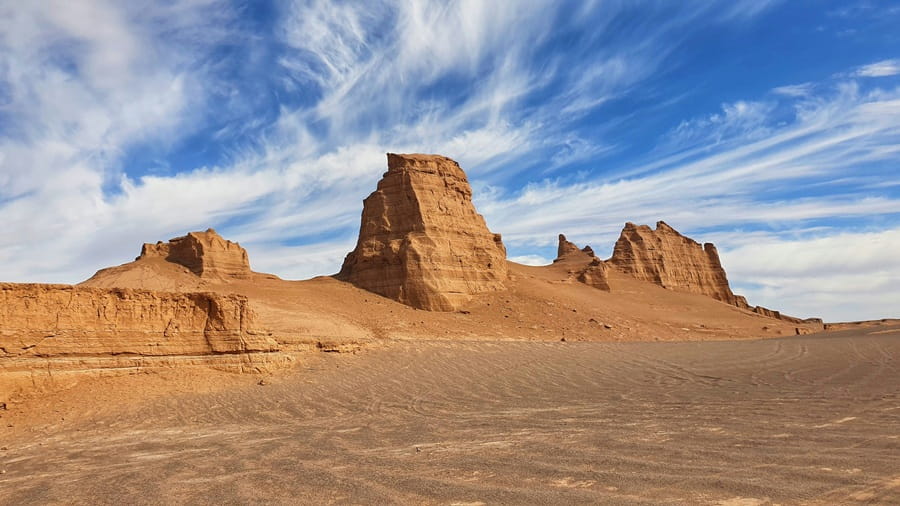
Lut Desert (Dasht-e Lut) — UNESCO World Heritage site with surreal yardang rock formations
🔥 Lut Desert (Dasht-e Lut) — UNESCO World Heritage & Hottest Place on Earth
🏆 LUT DESERT: UNESCO STATUS & RECORDS
UNESCO inscription: 2016 • Highest land surface temperature: 80.8°C (177.4°F) recorded 2018 • Area: 51,800 km² • Tallest sand dunes in Asia: 470m (1,542ft) • Location: Southeastern Iran (Kerman Province) • Nearest city: Kerman (4-5 hours) or Shahdad (2 hours)
The Lut Desert (Dasht-e Lut) is Iran's most spectacular desert and one of the world's most extreme landscapes. Its most famous features are the yardangs (kaluts) — massive, wind-carved rock formations that stretch for over 100km, creating a surreal, otherworldly landscape that has been compared to Mars. The desert also contains Asia's tallest sand dunes (470m high) and holds the record for the hottest land surface temperature ever recorded (80.8°C / 177.4°F).
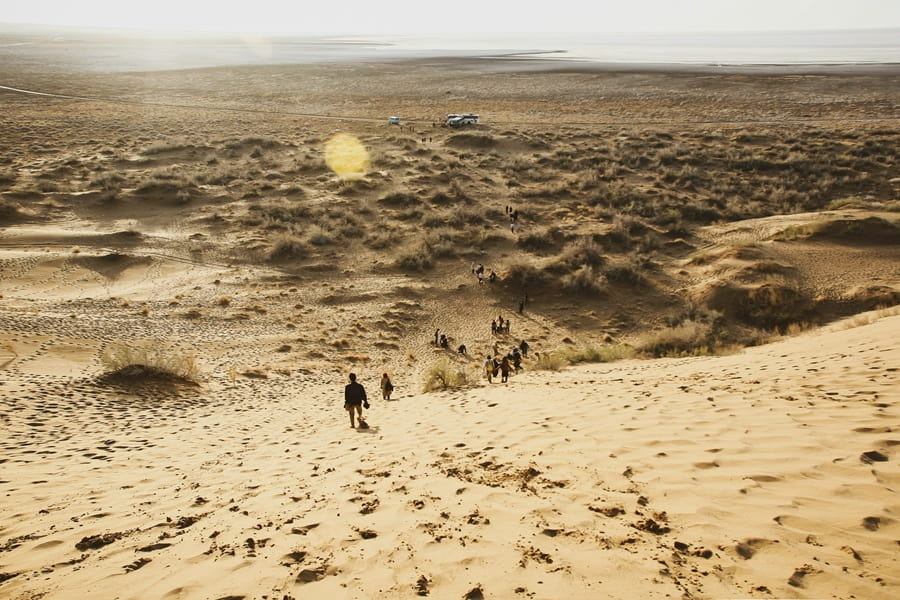
Lut Desert's famous yardangs (kaluts) — wind-carved rock formations stretching to the horizon
How to Visit Lut Desert:
- From Kerman: Most common starting point. Take a bus or flight to Kerman ($5-15 bus, $30-50 flight), then join a 4x4 tour to Shahdad and Lut Desert ($40-80 for overnight tour).
- From Shahdad: Gateway village to Lut. Budget guesthouses available ($15-25/night). Arrange 4x4 into the desert from here.
- Tour duration: 1-3 days recommended. Minimum overnight to see sunrise over the yardangs.
- Best viewing spot: Kalut Shahdad (the most accessible yardang field, 2 hours from Kerman).
Recommended Lut Desert Tours & Operators:
- Lut Desert Eco-Camp: Basic but comfortable desert camp inside the protected area ($50-70/night including meals and 4x4 tour)
- Shahdad Camp: Simple tents with traditional food ($40-60/night)
- Kerman tours: Many travel agencies in Kerman offer 1-2 day Lut tours (check reviews before booking, prices negotiable)
Important: Visit Lut Desert ONLY between October-March. Summer temperatures are deadly (50-55°C/122-131°F). Even in winter, bring warm clothing — deserts get freezing cold at night.
⛰️ Maranjab Desert — Sand Dunes, Salt Lake & Caravanserai
The Maranjab Desert is Iran's most accessible desert, located just 3 hours from Isfahan and 5 hours from Tehran. It features stunning sand dunes, a salt lake that turns pink in certain seasons, the historic Maranjab Caravanserai (a restored Silk Road inn), and incredible stargazing. It's the perfect introduction to Iran's deserts for travelers with limited time.
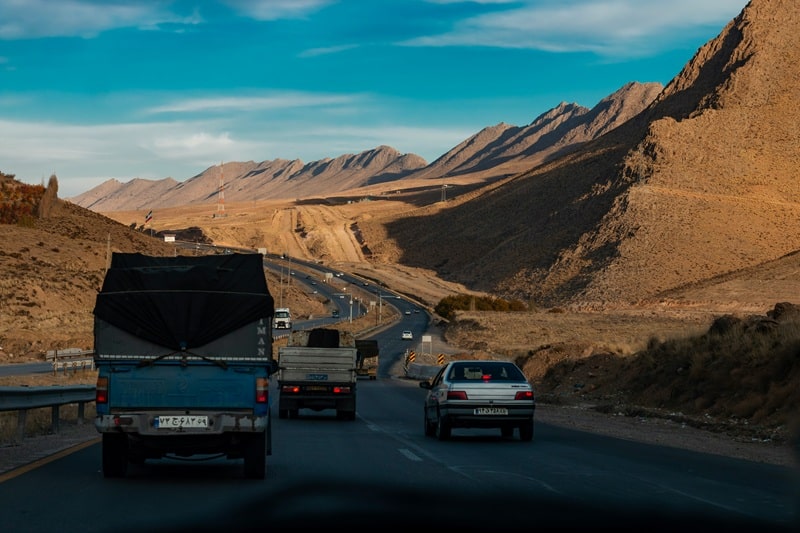
Maranjab Desert — accessible sand dunes and salt lake near Isfahan
How to Visit Maranjab Desert:
- From Isfahan (most common): 3 hours. Take bus to Aran va Bidgol ($3-4), then taxi to desert ($10-15). Or join organized tour from Isfahan ($40-60 including transport, guide, meals, overnight camp).
- From Tehran: 5 hours. Take bus to Kashan ($5-7), then taxi to Maranjab ($15-20). Many Tehran agencies offer 2-day Maranjab tours ($80-120).
- From Kashan: Only 1.5 hours — combine with Kashan sightseeing.
- Accommodation: Maranjab Caravanserai (restored Silk Road inn, $25-40/night), desert eco-camps ($30-50/night including meals), or wild camping (free, bring your own tent).
Maranjab Desert Highlights:
- Sand dune climbing: The dunes are 20-50m high — manageable for most fitness levels. Sunset views are spectacular.
- Salt Lake (Namak Lake): 30 minutes from the desert. In spring, the lake turns pink due to algae. Drive or walk across the salt crust.
- Maranjab Caravanserai: 400-year-old Silk Road inn, restored and now operating as a guesthouse. Traditional architecture, courtyard, and Persian tea.
- Stargazing: Zero light pollution. The Milky Way is visible with the naked eye on moonless nights.
- 4x4 dune bashing: Local drivers offer thrilling rides over sand dunes ($10-20 for 30-60 minutes).
✨ Mesr Desert — Starry Nights & Luxury Eco-Camps
The Mesr Desert (also called "Mesr Village Desert") is famous for having some of the darkest skies in Iran, making it the country's premier stargazing destination. Located in Isfahan Province between Kashan and Khur, Mesr has developed a reputation for luxury eco-camps that offer traditional Persian hospitality, excellent food, and comfortable accommodations in the middle of nowhere.
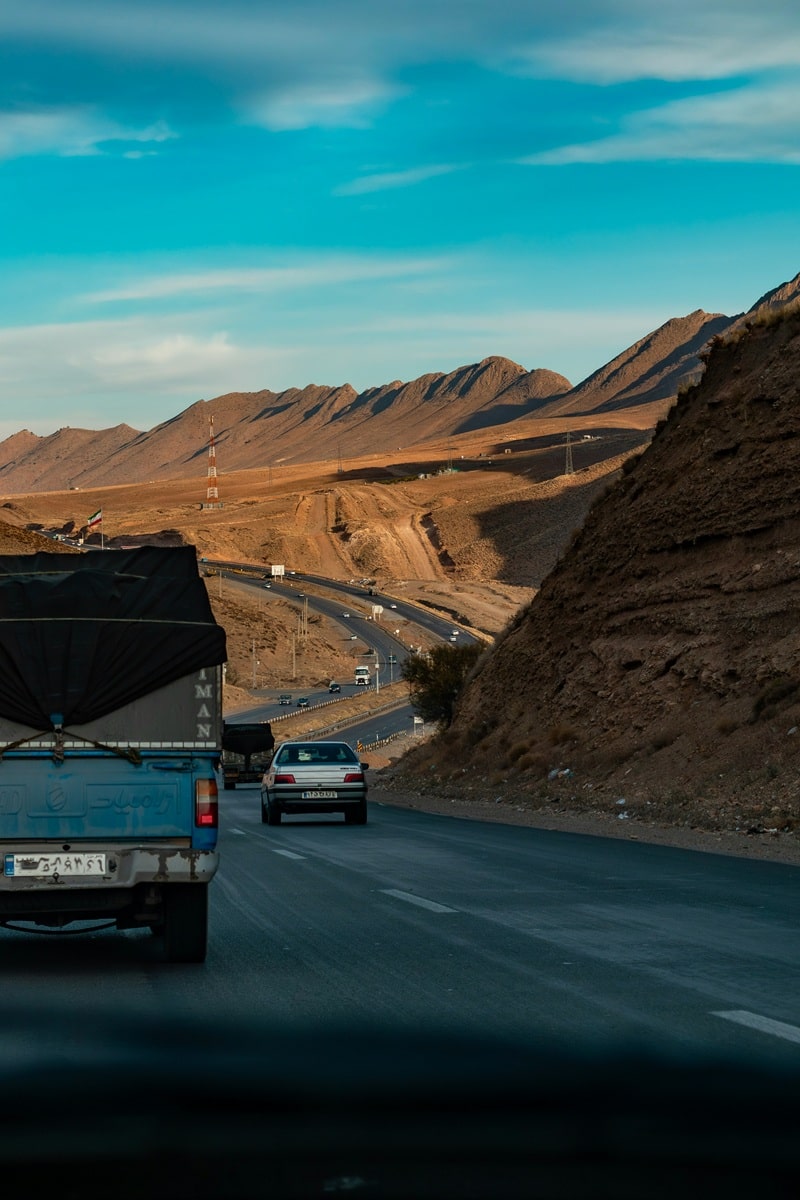
Mesr Desert — famous for zero light pollution and incredible Milky Way views
How to Visit Mesr Desert:
- From Kashan or Isfahan: Most visitors come from Kashan (2.5 hours) or Isfahan (3.5 hours). Tours include transport from these cities.
- From Tehran: 6 hours driving. Many agencies offer 2-3 day Mesr packages ($100-200).
- Accommodation: Several excellent eco-camps: Mesr Desert Eco-Camp (most famous, $60-100/night including all meals and activities), Ateshooni Camp (smaller, more intimate, $50-80), Garmeh Village Guesthouse (traditional village stay, $30-50).
Mesr Desert Experiences:
- Stargazing: The main attraction. Camp staff will set up telescopes and point out constellations. On moonless nights, the Milky Way is incredibly bright.
- Sandboarding: Many camps offer sandboards. The dunes near Mesr are perfect for beginners.
- Camel trekking: Short camel rides available ($10-20).
- Traditional Persian music & tea: Evenings often feature live music and storytelling.
- Visit nearby Garmeh and Khur villages: Traditional desert villages with date palm groves and qanat (underground water) systems.
🌙 Best Stargazing Conditions in Mesr Desert:
Plan your visit during new moon phase (darkest skies). Check lunar calendar before booking. October-March offers clearest skies. Bring a good camera with manual settings and a tripod — you'll capture the best astrophotography of your life.
🏜️ Varzaneh Desert — Budget Option Near Isfahan
The Varzaneh Desert is the most budget-friendly desert option near Isfahan, just 1.5 hours away. It offers sand dunes, a salt lake, and a historic pigeon tower. While less spectacular than Lut or Mesr, Varzaneh is perfect for travelers on a tight budget or limited time.
Varzaneh Desert Highlights:
- Budget accommodation: Guesthouses in Varzaneh town ($10-20/night), some with desert views.
- Sand dunes: Smaller than Maranjab or Mesr but still photogenic.
- Salt Lake: Accessible by car.
- Day trip from Isfahan: Possible but rushed. Overnight recommended.
Typical cost: Day trip from Isfahan ($30-40), overnight including transport, guide, meals, accommodation ($50-70).
📍 Other Deserts & Desert Regions in Iran
🏜️ Shahdad Desert
Gateway to Lut Desert's yardangs. Budget guesthouses, 4x4 tours into the kaluts. Best for travelers wanting Lut access without staying inside the protected area. Cost: $30-50/day.
⛰️ Rig-e Jenn
One of Iran's most remote deserts, known for "singing sands" (sand dunes that emit humming sounds). Requires 4x4 and experienced guide. Not for beginners. Cost: $100-200/day.
🏜️ Dasht-e Kavir (Great Salt Desert)
Central Iran's vast salt desert. Less visited than Lut but offers unique salt formations. Accessible from Semnan or Garmsar. Best combined with Maranjab visit.
🏜️ Bafq Desert
Near Yazd, lesser-known but beautiful dunes. Good for travelers based in Yazd wanting a half-day desert experience. Cost: $20-40.
🏕️ Best Desert Eco-Camps & Accommodations in Iran
| Camp Name | Desert | Price/Night (USD) | Includes | Best For |
|---|---|---|---|---|
| Lut Desert Eco-Camp | Lut | $50-70 | Meals, 4x4 tour, tent, guide | UNESCO experience |
| Maranjab Caravanserai | Maranjab | $25-40 | Room, breakfast | History + comfort |
| Mesr Desert Eco-Camp | Mesr | $60-100 | All meals, activities, guide | Stargazing, luxury |
| Ateshooni Camp (Mesr) | Mesr | $50-80 | Meals, sandboarding, guide | Intimate experience |
| Shahdad Camp | Lut/Shahdad | $40-60 | Meals, 4x4 transport | Budget Lut access |
| Garmeh Village Guesthouse | Mesr | $30-50 | Room, breakfast | Village experience |
| Matin Abad Eco-Camp | Maranjab area | $40-60 | Meals, activities, organic farm | Sustainable tourism |
Booking tips: Desert camps fill up quickly during peak season (October-November, February-March). Book 2-4 weeks in advance. Many camps only accept cash (USD, EUR, or IRR). Some offer pickup from nearest cities for an extra fee.
🚙 Desert Activities: 4x4 Safaris, Sandboarding & Camel Trekking
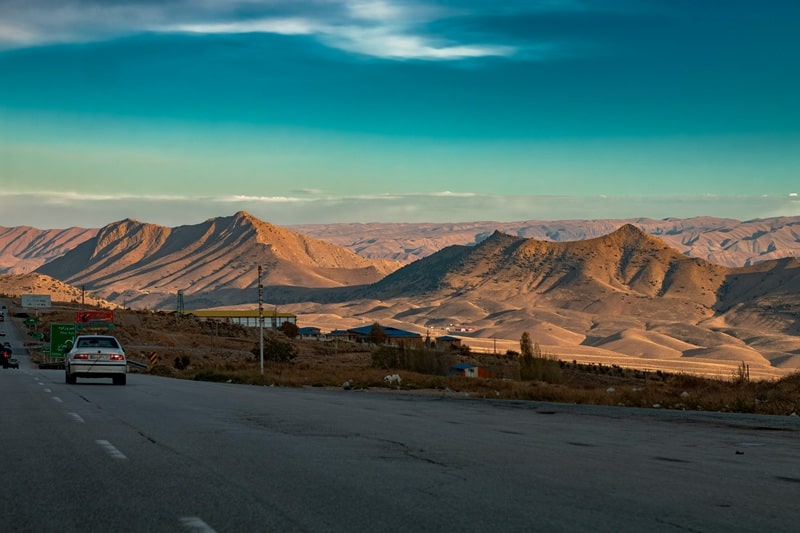
4x4 dune bashing in Maranjab Desert — thrilling adventure activity
- 4x4 Dune Bashing / Desert Safari: The most popular activity. Professional drivers navigate steep sand dunes. Duration: 30-120 minutes. Cost: $10-30 depending on length. Available at Maranjab, Mesr, and Lut (from Shahdad).
- Sandboarding: Snowboarding on sand dunes. Many camps (especially Mesr) provide boards. Cost: Often included in camp package or $5-10 rental. Beginner-friendly.
- Camel Trekking: Short camel rides (15-30 minutes) or multi-day treks (rare). Cost: $10-20 for short ride. Available at Maranjab and Mesr.
- Stargazing / Astronomy Tours: Guided telescope sessions. Camp staff identify constellations, planets, and the Milky Way. Often included in eco-camp packages. Best during new moon.
- Desert Hiking / Trekking: Walk from camp to nearby dunes or yardangs. Guided or self-guided. Free if you're staying at a camp.
- Salt Lake Visits: Drive/walk on salt crusts, photograph pink salt lakes (spring only). Available at Maranjab and Varzaneh.
- Photography Tours: Some camps offer guided photography walks at sunrise and sunset — the golden hours in the desert are spectacular.
✨ Stargazing in Iran's Deserts — A Photographer's Paradise
🌌 Why Iran's Deserts Are Among the World's Best for Stargazing
- Zero light pollution: Nearest cities are 50-200km away
- Dry air: Minimal atmospheric distortion (unlike humid areas)
- High altitude: Many desert areas sit at 800-1,500m elevation
- Clear skies 300+ days/year: Rain is extremely rare in most desert regions
- Dark Sky candidate: Mesr Desert is being considered for International Dark Sky Park status
Best Desert for Stargazing:
- Mesr Desert — #1 choice: Darkest skies, dedicated astronomy tents, telescope available
- Lut Desert — #2 choice: Remote location, but fewer dedicated stargazing facilities
- Maranjab — #3 choice: Good stargazing, but slightly more light pollution from Kashan
What You'll See (with naked eye on moonless night):
- Milky Way core (brightest in summer months June-August)
- Thousands of stars (more than you've ever seen)
- Shooting stars (meteor showers peak August and December)
- Satellites crossing the sky (including ISS)
- Zodiacal light (after sunset/before sunrise in spring/autumn)
Stargazing tips: Book your desert stay during new moon week (darkest skies). Give your eyes 20-30 minutes to adjust to darkness (no phone screens!). Bring warm clothing — deserts get freezing after sunset, even in summer. Download a stargazing app (SkyView, Stellarium) to identify constellations.
💰 Desert Tour Costs & Budget Breakdown 2026
| Desert Tour Type | Price Range (USD) | Includes | Example |
|---|---|---|---|
| Day Trip (no overnight) | $25-45 | Transport from city, guide, lunch, 4x4 tour | Varzaneh from Isfahan |
| Overnight Budget | $50-70 | Transport, basic camp, 2 meals, 4x4, sandboarding | Shahdad Camp |
| Overnight Mid-Range | $70-100 | Transport, eco-camp, all meals, activities, guide | Mesr Eco-Camp, Maranjab Caravanserai |
| Overnight Luxury | $100-200 | Private transport, luxury camp, gourmet meals, private guide, photography tour | Private Lut tour |
| 2-Day/1-Night Lut | $120-180 | Transport from Kerman, 4x4, guide, camp, meals, yardang tour | Lut Desert overnight |
| Wild Camping (self) | $0-20 | Bring your own tent, food, water. Need 4x4 vehicle and permit in protected areas. | Free camping (with risks) |
💰 Sample Desert Budget: 2-Day Maranjab Trip from Isfahan
Transport (bus + taxi): $15 • Camp overnight (eco-camp): $50 • Meals (2 lunches, dinner, breakfast): Included in camp • Activities (4x4 + sandboarding): Included • Guide: Included • TOTAL: $65 for 2-day/1-night experience. Incredible value compared to deserts in Dubai ($300+) or Africa ($400+).
🗺️ How to Get to Each Desert (Transportation Guide)
🚌 Lut Desert (from Kerman)
By bus to Kerman: $5-10 from Tehran (12 hours), $4-6 from Yazd (5 hours), $6-8 from Shiraz (8 hours)
By flight to Kerman: $30-50 from Tehran (1.5 hours)
From Kerman to desert: Hire 4x4 tour ($40-80 for 2-day tour including transport, camp, meals)
🚐 Maranjab Desert (from Isfahan)
By bus to Aran va Bidgol: $3-4 from Isfahan (1.5 hours)
Taxi to desert: $10-15 from Aran va Bidgol (30 min)
Organized tour: $40-60 from Isfahan (all-inclusive)
From Kashan: 1.5 hours, taxi $15-20
🐪 Mesr Desert (from Kashan or Isfahan)
Organized tour only: Most visitors use tours ($70-120). Independent travel difficult (no public transport to the village).
Private taxi: $40-60 from Kashan (2.5 hours), $50-80 from Isfahan (3.5 hours) — arrange through your camp.
🚕 Varzaneh Desert (from Isfahan)
By bus to Varzaneh: $2-3 from Isfahan (1.5 hours)
Walk or taxi to dunes: $2-5 from Varzaneh town
Organized day tour: $30-40 from Isfahan
📅 Best Time to Visit Iran's Deserts (Month-by-Month Guide)
| Month | Day Temp (°C/°F) | Night Temp (°C/°F) | Rating | Notes |
|---|---|---|---|---|
| March | 25-30°C / 77-86°F | 10-15°C / 50-59°F | ⭐⭐⭐⭐⭐ | Perfect weather, Nowruz crowds (book ahead) |
| April | 30-35°C / 86-95°F | 15-20°C / 59-68°F | ⭐⭐⭐⭐ | Warm but pleasant, good stargazing |
| May | 35-40°C / 95-104°F | 20-25°C / 68-77°F | ⭐⭐⭐ | Hot days, still okay for early morning/evening |
| June-August | 45-55°C / 113-131°F | 25-35°C / 77-95°F | ❌ NOT RECOMMENDED | Dangerous heat, avoid completely (especially Lut) |
| September | 35-40°C / 95-104°F | 20-25°C / 68-77°F | ⭐⭐⭐ | Still hot, improving toward month end |
| October | 25-30°C / 77-86°F | 15-20°C / 59-68°F | ⭐⭐⭐⭐⭐ | Perfect — best month overall |
| November | 15-25°C / 59-77°F | 5-10°C / 41-50°F | ⭐⭐⭐⭐⭐ | Cool days, cold nights — pack layers |
| December-February | 10-15°C / 50-59°F | 0-5°C / 32-41°F | ⭐⭐⭐⭐ | Cold but clear skies, excellent stargazing, bring warm sleeping bag |
Pro tip: The best desert photography is during golden hour (sunrise and sunset). Plan your overnight stay to include both — the colors over the dunes are unforgettable.
🎒 Desert Packing List & Safety Tips
✅ Essential Desert Packing List
- Clothing: Lightweight long sleeves (protect from sun), warm jacket/fleece (deserts get cold at night), scarf (sun and dust protection), comfortable closed-toe shoes (sand gets hot)
- Sun protection: High SPF sunscreen, sunglasses, wide-brim hat, lip balm with SPF
- Hydration: Reusable water bottle (minimum 2L capacity), electrolyte tablets
- Camping (if wild camping): Tent (sand pegs required), sleeping bag (-5°C comfort rating for winter), sleeping pad, headlamp
- Camera gear: Camera with manual settings (for night sky), tripod (essential for astrophotography), extra batteries (cold drains batteries), lens cloth (dust)
- Other essentials: Power bank, wet wipes (no showers in basic camps), toilet paper, basic first aid kit (blister plasters essential)
Safety Tips for Desert Travel:
- Never go alone: Always hire a guide or go with a group. Deserts are vast and easy to get lost in.
- Carry more water than you think you need: Minimum 3-4 liters per person per day in summer.
- Tell someone your itinerary: If traveling independently, share your route and expected return time.
- Check 4x4 vehicle condition: Before any desert drive, ensure the vehicle is desert-ready (sand tires, recovery equipment).
- Watch for flash floods: Rare in deserts but possible in yardang areas after rain. Check weather forecast.
- Respect protected areas: Lut Desert and some other areas require permits. Your tour operator should arrange these.
- Mobile phone coverage: Zero coverage in deep desert. Satellite phones available for rent from major operators.
📸 Desert Photography Guide: Capturing the Magic
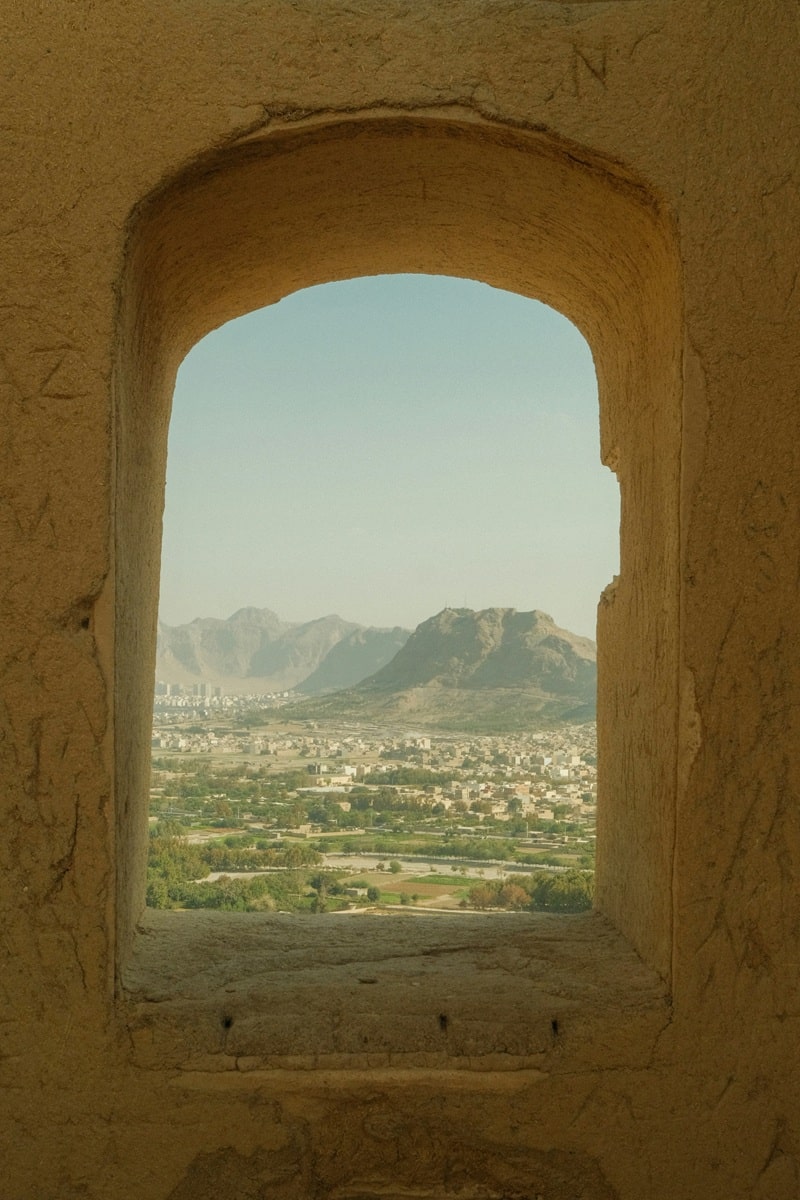
Sunrise over sand dunes — the golden hour for desert photography
Best Times for Desert Photography:
- Sunrise (5:30-7:30 AM, depending on season): Soft golden light, long shadows, cooler temperatures, often no wind — the absolute best time.
- Sunset (4:30-6:30 PM): Warm colors, dramatic shadows, beautiful silhouettes.
- Blue hour (just before sunrise/after sunset): Perfect for capturing desert mood.
- Night (new moon): Milky Way photography — requires tripod, wide-angle lens (f/2.8 or faster), manual focus, 15-25 second exposure, ISO 1600-3200.
Camera Settings Tips:
- Landscape/dunes: Aperture f/8-f/11 for deep depth of field, focus 1/3 into the scene, shoot in RAW for better editing.
- People in desert: Use people to show scale of dunes. Silhouettes work beautifully at sunset.
- Astrophotography: 500 Rule: 500 / (focal length) = max exposure seconds (e.g., 20mm lens = 25 seconds max).
- Protect your gear: Sand is the enemy — change lenses inside your bag, use a protective filter, clean gear after each desert trip.
❓ Desert Tourism FAQ: Most Asked Questions
🔥 Top Desert Questions (Google 2025)
- Q: Is it safe to camp in Iran's deserts? A: Yes, with a licensed guide or tour operator. Wild camping alone is not recommended for first-timers.
- Q: Do I need a 4x4 vehicle for Iran's deserts? A: For Lut Desert and remote areas, yes. For Maranjab and Varzaneh, regular cars can reach the camp/guesthouse (but not deep into dunes).
- Q: Are there toilets in desert camps? A: Yes, eco-camps have basic toilets (sometimes pit toilets). Luxury camps have flush toilets. Wild camping = no facilities.
- Q: Can I visit Lut Desert in one day from Kerman? A: Possible but rushed (5-6 hours driving). Overnight is much better — sunrise over yardangs is unforgettable.
- Q: What should I wear in the desert as a woman? A: Same as rest of Iran (headscarf, long tunic, trousers). Loose, light-colored, breathable fabrics recommended.
- Q: Are there snakes/scorpions in Iran's deserts? A: Yes, but rarely seen. Most are nocturnal. Wear closed shoes, shake out boots before putting them on. Camps are usually safe.
- Q: Can I drink alcohol in desert camps? A: No, alcohol is illegal everywhere in Iran. Non-alcoholic malt beverages available.
- Q: How far in advance should I book desert tours? A: Peak season (Oct-Nov, Feb-Mar) book 2-4 weeks ahead. Shoulder season 1-2 weeks. Low season walk-in possible.
- Q: Is there mobile signal in the desert? A: Maranjab has weak signal near caravanserai. Lut and Mesr have zero signal. Camps have satellite phones for emergencies.
- Q: What is the hottest place on Earth? A: Lut Desert holds the record for highest land surface temperature (80.8°C / 177.4°F).
🎯 Why You Must Visit Iran's Deserts in 2026
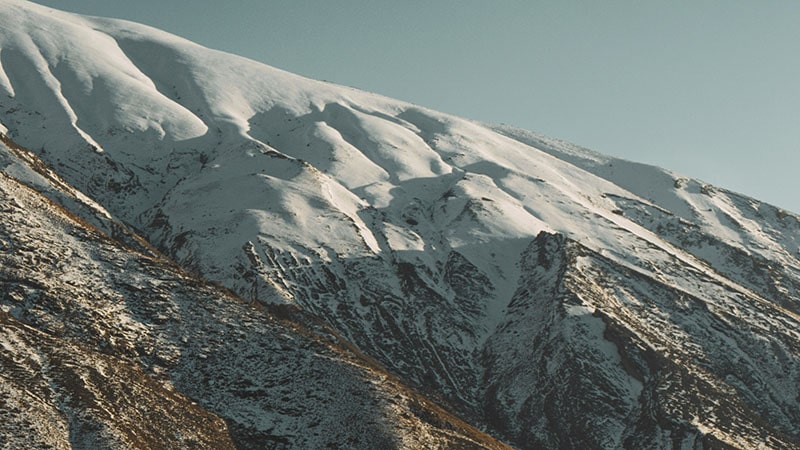
Sunset over sand dunes — Iran's deserts offer unforgettable moments
Iran's deserts represent some of the most spectacular, affordable, and accessible desert landscapes on Earth. Whether you're standing among the surreal yardangs of UNESCO-listed Lut Desert — the hottest place on the planet — or watching the Milky Way explode across a moonless sky in Mesr, or sandboarding down dunes in Maranjab, Iran's deserts deliver experiences that rival the Sahara, Atacama, or Namib at a fraction of the cost.
🏜️ Iran Desert Tourism: Final Verdict
- Best overall desert: Lut Desert (UNESCO, most dramatic landscapes)
- Best for stargazing: Mesr Desert (darkest skies)
- Best for accessibility: Maranjab Desert (closest to Tehran/Isfahan)
- Best for budget: Varzaneh Desert (cheapest option near Isfahan)
- Best time to go: October-November and February-March
- Average cost: $50-100 for overnight all-inclusive tour
🏜️ Ready to Experience Iran's Incredible Deserts?
Book your desert adventure today. Contact our local partners for custom tours, group discounts, and expert guidance.
💬 Get Desert Tour QuotesFree desert itinerary planning • Group discounts • Custom tours
Continue your desert journey: Iran Desert Tourism Guide • Budget Travel Guide • Desert Safety Tips • Desert Destinations